
Everyone has a different relationship with money, and it shows clearly in how we spend. I like paying extra for branded products. My wife is perfectly fine buying from the local market. A neighbour of mine spent nearly one lakh rupees learning music, not to earn from it, but purely for personal satisfaction. A younger relative has poured most of his savings into building a rare book collection because books are his passion.
None of these choices are right or wrong. They simply reflect what each person values.
Also, I noticed an interesting shift over the years.
Earlier, most people followed a fixed sequence. First came education, then a stable job, marriage, a house, and only after all that did passions. Today, many young people are investing in experiences, skills, and passions early on, without waiting to own a home or climb the corporate ladder.
This change tells us something important. Our spending is not just about needs versus wants. There is something deeper driving these decisions.
You can see this clearly every time a new course, gadget, phone upgrade, or fitness program is launched.
People don’t buy impulsively. They read the details. They watch reviews. They compare prices. They tell themselves they are learning something new, becoming more productive, or investing in themselves. And then they spend.
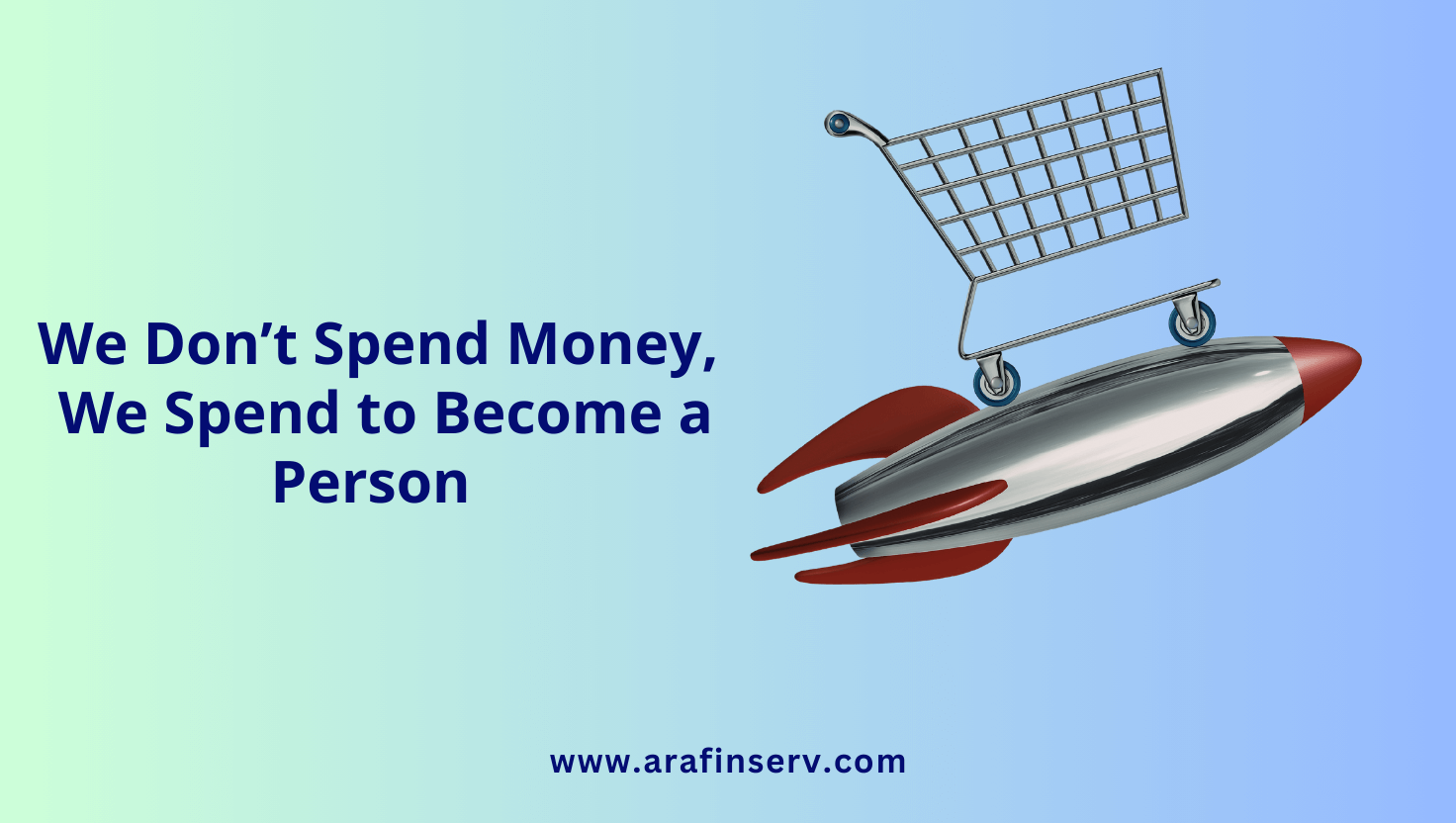
At the core of most of these decisions is one powerful idea: UPGRADE.
Once basic needs like safety, income stability, and a sense of achievement are reasonably met, the urge to upgrade becomes stronger. Upgrade skills. Upgrade lifestyle. Upgrade comfort. Upgrade status.
On the surface, this looks perfectly logical. But we see a psychological trait in such behaviour.
Our spending habits are closely tied to our identity. Money is not just a medium to buy things. It is a tool we use to shape the person we believe we are becoming.
When we spend on education, wellness, home improvements, or “better quality” products, we are also telling ourselves a story.
“I am someone who keeps growing.”
“I am someone who cares about health.”
“I am someone who plans for the future.”
Without clear boundaries, this type of spending often leads to overspending.
This is where financial planning goes far beyond budgeting and investing.
The first step is to recognise that not every expense is truly an upgrade. Financial planning is about understanding why you spend and whether that spending genuinely improves your life over time.
Start by observing your expenses after the money is already spent. Some purchases continue to add value. They save time every day, reduce mental stress, improve health, or build lasting skills. For example, a course that actually improves your career prospects or a home setup that makes daily life smoother.
Other purchases only create a short-lived feeling of progress. The excitement fades, and life returns to how it was before.
This awareness is critical for building a strong money mindset.
Once you identify which expenses deliver long-term value, focus your spending there. Everything else becomes easier to ignore. This clarity makes sticking to a budget far less stressful.
When spending becomes mindful, saving happens naturally.
Investing also feels less intimidating because your money is no longer being pulled in multiple emotional directions. Each investment has a clear purpose tied to your future goals.
At that point, your financial plan stops feeling like a restriction on your present life. It starts acting as a quiet support system for the future you are intentionally building.

Shreedhara is the Founder & Director of Ara Financial Services Pvt. Ltd. He has an experience of over 2 decades in Financial Service Industry with majority of it in guiding individuals and institutions on their investments requirements.