
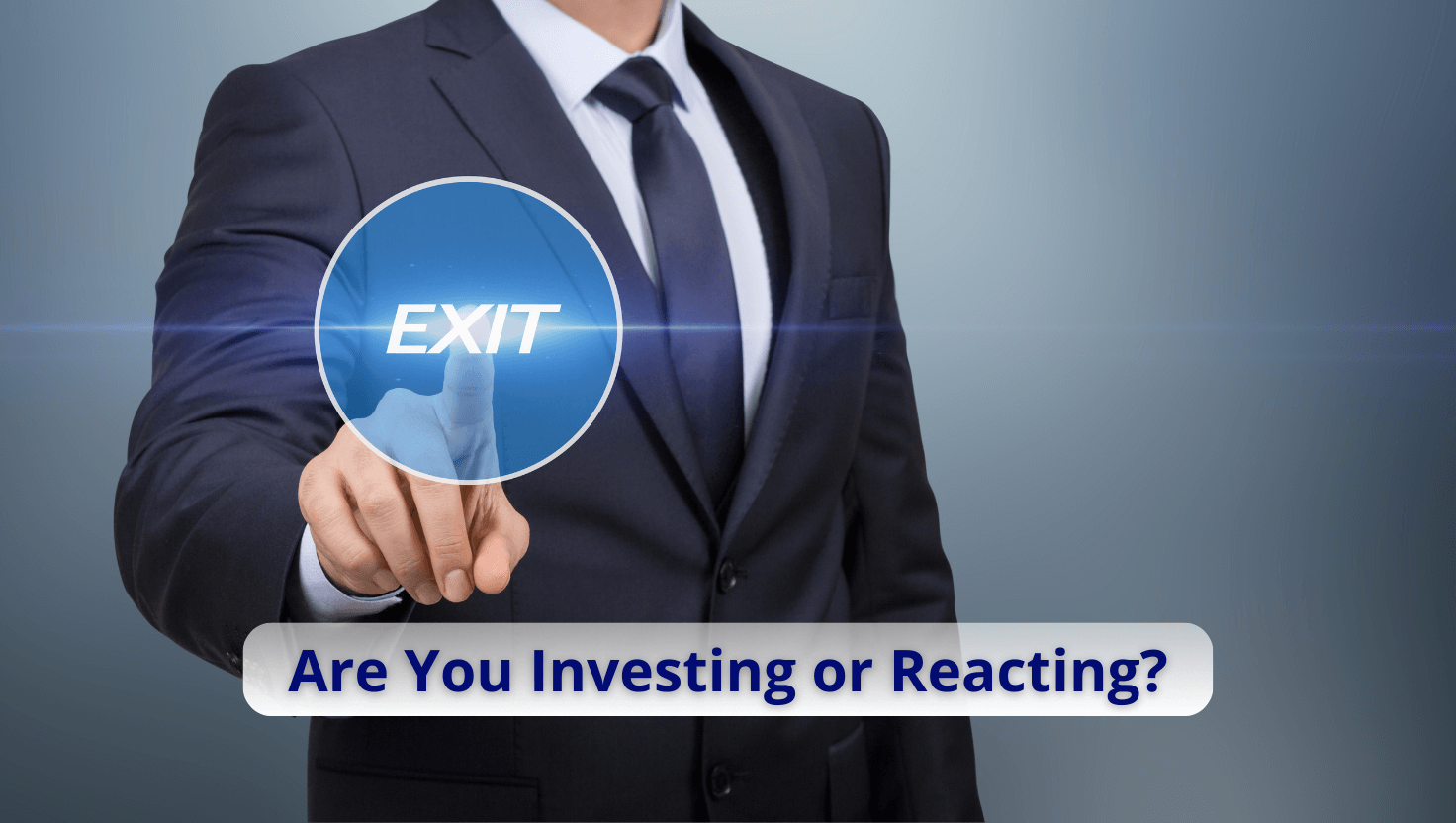
Are You Investing or Reacting?

Investing apps make it easy to track performance, but frequent underperformance alerts can push investors into unnecessary fund switching. This article explains why short-term underperformance is normal, how reacting impulsively can damage compounding, and why long-term discipline and goal alignment matter far more than chasing the best-performing fund.

Today, investing through apps feels incredibly easy and convenient. With just a few clicks, you can start investing, track performance, and even receive suggestions. However, have you noticed that these apps also come with their own set of challenges?

One app’s “best mutual fund” is often very different from another’s. Some apps go a step further and flash alerts like “This fund is underperforming”, sometimes even nudging investors to exit immediately. As a result, many investors start hopping from one fund to another in the hope of quick gains. Unfortunately, this behaviour often ends up hurting long-term wealth creation rather than helping it.

Let us first accept an important fact: no fund manager ever aims to deliver poor returns. Every fund manager wants to be among the best performers in their category. Their core responsibility is to generate the best possible risk-adjusted returns, not just short-term outperformance.

We also know that markets move in cycles, not in straight lines. Therefore, every mutual fund will go through phases of underperformance. In fact, even seasoned fund managers candidly admit that only about 50% to 60% of their strategies work exactly as expected. They openly acknowledge that it is impossible to build a completely foolproof portfolio that accounts for every variable, whether controllable or not. Market conditions, economic surprises, interest rate changes, and global events, most of which are beyond anyone’s control, play a significant role in outcomes.

When experts who manage billions of rupees think this way, a retail investor should pause and think carefully before switching funds. It is important to remember that all market-linked products experience ups and downs. A fund that is a top performer today could easily slip into the lower ranks three or six months later. Therefore, short-term underperformance over the last three or four quarters should not, by itself, be a reason to exit a fund.

So, what should you do when you receive an underperformance alert be it from an app, a friend, or social media? The first step is to go back to your financial plan. Revisit the goal for which you invested in that particular fund. Ask yourself: Is this fund still aligned with my risk appetite? Does it match the time horizon of my goal? If the answer is yes, then no immediate action may be required. A fund meant for retirement may appear slow or dull today, but it could be doing exactly what it is designed to do for a long-term objective.

If you do decide to switch funds, it is equally important to factor in the costs involved like exit loads and taxes. More importantly, frequent switching leads to a loss of compounding time, which quietly but steadily erodes wealth. This loss is often invisible but extremely damaging over the long term.

Short-term performance excites us, and short-term underperformance often makes us anxious. However, long-term discipline is what truly builds wealth. Staying invested with clarity of purpose and a well-defined goal almost always works better than chasing yesterday’s winners. In investing, it is not about being perfect. It is about disciplined risk management and consistent long-term behaviour.

Successful investing is less about finding the perfect fund and more about avoiding perfectly avoidable mistakes.

1 thought on “Are You Investing or Reacting?”

Leave a Comment

Your email address will not be published. Required fields are marked *

5-ಸ್ಟಾರ್ ಮ್ಯೂಚುವಲ್ ಫಂಡ್‌ಗಳು: ರೇಟಿಂಗ್‌ಗಳ ಹಿಂದೆ ಇರುವ ನಿಜವಾದ ಅರ್ಥ

ನೀವು ಒಮ್ಮೆ ಆನ್‌ಲೈನ್‌ನಲ್ಲಿ ಮ್ಯೂಚುವಲ್ ಫಂಡ್‌ಗಳನ್ನು ಹುಡುಕಿದ್ದರೆ, ಆ ಹೊಳೆಯುವ 5-ಸ್ಟಾರ್ ರೇಟಿಂಗ್‌ಗಳು ನಿಮ್ಮ ಗಮನ ಸೆಳೆದಿರುತ್ತವೆ. ಅವುಗಳನ್ನು ನೋಡಿದಾಗ ಸಹಜವಾಗಿ ಒಂದು ಭರವಸೆ ಬರುತ್ತದೆ. “5 ಸ್ಟಾರ್ ಅಂದ್ರೆ ಇದು ಒಳ್ಳೆಯ ಫಂಡ್ ಆಗಿರಬೇಕು” ಅನ್ನೋ ಯೋಚನೆ. ಈ ರೀತಿ ಯೋಚಿಸುವವರು ನೀವು ಒಬ್ಬರೇ ಅಲ್ಲ. ಸ್ವತಃ ಹೂಡಿಕೆ ಮಾಡುವವರಾಗಲಿ, ಮ್ಯೂಚುವಲ್ ಫಂಡ್ ಡಿಸ್ಟ್ರಿಬ್ಯೂಟರ್ ಅಥವಾ ಹಣಕಾಸು ಸಲಹೆಗಾರರ ಮೂಲಕ ಹೂಡಿಕೆ ಮಾಡುವವರಾಗಲಿ – ಬಹುತೇಕ ಎಲ್ಲ ಹೂಡಿಕೆದಾರರಿಗೂ ಇದೇ ಭಾವನೆ ಇರುತ್ತದೆ.  ಇದು ಮಾತ್ರ ಅಲ್ಲ. ನಮ್ಮ ಹೂಡಿಕೆ ಮಾಡಿದ ಫಂಡ್ ಕೆಲ ಸಮಯ ನಿರೀಕ್ಷಿತ ಫಲಿತಾಂಶ ಕೊಡದೇ ಇದ್ದರೆ, “ಇದನ್ನು ಬಿಡೋಣ, ಈಗ 5-ಸ್ಟಾರ್ ಇರುವ ಇನ್ನೊಂದು ಫಂಡ್‌ಗೆ ಹೋಗೋಣ” ಅನ್ನೋ ಮನಸ್ಥಿತಿ ಕೂಡ ಬಹಳ ಸಾಮಾನ್ಯ. ಹೂಡಿಕೆ ಯಾವಾಗಲೂ ಟಾಪ್ ರೇಟಿಂಗ್ ಫಂಡ್‌ಗಳಲ್ಲಿ ಇರಬೇಕು ಅನ್ನೋ ಒಂದು ಆಸಕ್ತಿ ಎಲ್ಲರಲ್ಲೂ ಇರುತ್ತದೆ. ಆದರೆ ಸತ್ಯ ಏನೆಂದರೆ, ಕೇವಲ ಸ್ಟಾರ್ ರೇಟಿಂಗ್‌ಗಳನ್ನು ಆಧರಿಸಿ ಫಂಡ್ ಆಯ್ಕೆ ಮಾಡುವುದು ಕೆಲವೊಮ್ಮೆ ತಪ್ಪು ದಾರಿಗೂ ಕರೆದೊಯ್ಯಬಹುದು.  5-ಸ್ಟಾರ್ ಫಂಡ್ ಎಂದರೆ ಸದಾ ಉತ್ತಮ ಮತ್ತು ಸ್ಥಿರ ಪ್ರದರ್ಶನವೇ?  ಇಲ್ಲ, ಹಾಗೆ ಅನ್ನೋದಿಲ್ಲ. ಇಂದು 5-ಸ್ಟಾರ್ ಹೊಂದಿರುವ ಫಂಡ್, ಕೆಲವು ಸಮಯದ ನಂತರ 3-ಸ್ಟಾರ್ ಅಥವಾ 1-ಸ್ಟಾರ್ ಆಗಬಹುದು. ಅದೇ ರೀತಿ, ಕಡಿಮೆ ರೇಟಿಂಗ್ ಹೊಂದಿದ್ದ ಫಂಡ್ ಕೂಡ ಮುಂದೆ ಉತ್ತಮ ರೇಟಿಂಗ್ ಪಡೆಯಬಹುದು. ಫಂಡ್ ರೇಟಿಂಗ್‌ಗಳನ್ನು ಸಾಮಾನ್ಯವಾಗಿ ಆ ಫಂಡ್ ಹಿಂದೆ ನೀಡಿದ ಲಾಭ ಅಥವಾ ಪ್ರದರ್ಶನದ ಆಧಾರದ ಮೇಲೆ ನೀಡಲಾಗುತ್ತದೆ. ಅವು ಮುಂದಿನ ದಿನಗಳಲ್ಲೂ ಅದೇ ರೀತಿ ಪ್ರದರ್ಶನ ನೀಡುತ್ತವೆ ಅನ್ನೋ ಭರವಸೆ ಅಲ್ಲ.  ಅತ್ಯುತ್ತಮ ಫಂಡ್ ಮ್ಯಾನೇಜರ್‌ಗಳೇ ಹೇಳುವ ಮಾತು ಏನೆಂದರೆ, ಅವರು ಮಾಡುವ ಹೂಡಿಕೆ ನಿರ್ಧಾರಗಳಲ್ಲಿ ಸುಮಾರು 50–55 ಶೇಕಡಾ ಮಾತ್ರ ಯಶಸ್ಸು ನಿರೀಕ್ಷಿಸಬಹುದು. ಉಳಿದದ್ದು ಮಾರುಕಟ್ಟೆಯ ಕೈಯಲ್ಲಿರುತ್ತದೆ. ಫಂಡ್ ಮ್ಯಾನೇಜರ್‌ಗಳು ತಮ್ಮ ಅನುಭವ ಮತ್ತು ವಿಶ್ಲೇಷಣೆಯ ಆಧಾರದ ಮೇಲೆ ಪೋರ್ಟ್‌ಫೋಲಿಯೊ ನಿರ್ಮಿಸುತ್ತಾರೆ ಮತ್ತು ಸಮಯಕ್ಕನುಗುಣವಾಗಿ ಅದನ್ನು ಬದಲಿಸುತ್ತಾರೆ. ಆದರೆ ರಾಜಕೀಯ ಪರಿಸ್ಥಿತಿ, ಜಾಗತಿಕ ಘಟನೆಗಳು, ತೈಲ ಬೆಲೆ, ಹವಾಮಾನ ಬದಲಾವಣೆಗಳು ಹೀಗೆ ಅನೇಕ ಅಂಶಗಳು ಅವರ ನಿಯಂತ್ರಣದ ಹೊರಗಿರುತ್ತವೆ. ಇವುಗಳು ಕೆಲವೊಮ್ಮೆ ಅತ್ಯುತ್ತಮವಾಗಿ ರೂಪಿಸಿದ ಪೋರ್ಟ್‌ಫೋಲಿಯೊವನ್ನೂ ಕೆಲ ಕಾಲ ದುರ್ಬಲ ಪ್ರದರ್ಶನಕ್ಕೆ ತಳ್ಳಬಹುದು.  ರೇಟಿಂಗ್ ನೀಡುವಾಗ ಏಜೆನ್ಸಿಗಳು ಹಲವು ಅಂಶಗಳನ್ನು ಪರಿಶೀಲಿಸುತ್ತವೆ. ಮುಖ್ಯವಾಗಿ PE ಮತ್ತು PB ರೇಶಿಯೋಗಳು, ರಿಸ್ಕ್ ಅಳೆಯುವ ಸ್ಟ್ಯಾಂಡರ್ಡ್ ಡಿವಿಯೇಷನ್ ಹಾಗೂ ಪೋರ್ಟ್‌ಫೋಲಿಯೊ ಎಷ್ಟು ವೈವಿಧ್ಯಮಯವಾಗಿದೆ ಎಂಬುದನ್ನು ಅವರು ಲೆಕ್ಕ ಹಾಕುತ್ತಾರೆ. ಆದರೆ ಅಂತಿಮವಾಗಿ ಹೆಚ್ಚಿನ ಮಹತ್ವ ಪಡೆಯುವುದು ಫಂಡ್‌ನ ಪ್ರದರ್ಶನವೇ. ಅಂದರೆ ರೇಟಿಂಗ್‌ಗಳು ಹೆಚ್ಚಾಗಿ ಫಂಡ್‌ನ ಇತಿಹಾಸದ ಪ್ರತಿಬಿಂಬವಾಗಿರುತ್ತವೆ ಮತ್ತು ಇಂದಿನ ಪರಿಸ್ಥಿತಿಯಲ್ಲಿ, ತನ್ನದೇ ವರ್ಗದ ಇತರ ಫಂಡ್‌ಗಳಿಗೆ ಹೋಲಿಸಿದರೆ ಈ ಫಂಡ್ ಯಾವ ಸ್ಥಾನದಲ್ಲಿದೆ ಎಂದು ಮಾತ್ರ ರೇಟಿಂಗ್‌ಗಳು ತೋರಿಸುತ್ತವೆ. ಹೀಗಾಗಿ ರೇಟಿಂಗ್‌ಗಳನ್ನು ನೋಡಿಕೊಂಡು ಮುಂದಿನ ದಿನಗಳಲ್ಲೂ ಅದೇ ರೀತಿ ಫಲಿತಾಂಶ ಬರುತ್ತದೆ ಎಂದು ನಿರೀಕ್ಷಿಸುವುದು ಸರಿಯಲ್ಲ. ಇದಕ್ಕೆ ಜೊತೆಗೆ, ಪ್ರತಿಯೊಂದು ಸಂಶೋಧನಾ ಸಂಸ್ಥೆಯೂ ತನ್ನದೇ ಆದ ವಿಧಾನವನ್ನು ಅನುಸರಿಸುತ್ತದೆ. ಹೀಗಾಗಿ ರೇಟಿಂಗ್‌ಗಳು ಅಷ್ಟು ಸರಳವಾಗಿ ಅರ್ಥಮಾಡಿಕೊಳ್ಳುವ ವಿಷಯವಲ್ಲ.  ಮ್ಯೂಚುವಲ್ ಫಂಡ್ ರೇಟಿಂಗ್‌ಗಳು ಹೇಗೆ ನಿರ್ಧಾರವಾಗುತ್ತವೆ?  ಒಳ್ಳೆಯ ರೇಟಿಂಗ್ ಸಾಮಾನ್ಯವಾಗಿ ಫಂಡ್ ಉತ್ತಮ ಪ್ರದರ್ಶನ ನೀಡಿದೆಯೆಂಬ ಸೂಚನೆ ಕೊಡುತ್ತದೆ. ಆದರೆ ಆ ಪ್ರದರ್ಶನ ಅನೇಕ ಅಂಶಗಳ ಮೇಲೆ ಅವಲಂಬಿತವಾಗಿರುತ್ತದೆ. ಫಂಡ್ ಯಾವ ಥೀಮ್‌ನಲ್ಲಿ ಹೂಡಿಕೆ ಮಾಡುತ್ತಿದೆ, ಯಾವ ಹೂಡಿಕೆ ಶೈಲಿಯನ್ನು ಅನುಸರಿಸುತ್ತದೆ, ಮಾರುಕಟ್ಟೆಯ ಸ್ಥಿತಿ ಹೇಗಿದೆ, ಯಾವ ಸೆಕ್ಟರ್‌ಗಳು ಯಾವ ಸಮಯದಲ್ಲಿ ಉತ್ತಮವಾಗಿ ಕೆಲಸ ಮಾಡುತ್ತಿವೆ ಎನ್ನುವುದೆಲ್ಲಾ ಫಂಡ್ ಪ್ರದರ್ಶನದ ಮೇಲೆ ಪರಿಣಾಮ ಬೀರುತ್ತವೆ.  ಸಾಮಾನ್ಯವಾಗಿ ರೇಟಿಂಗ್‌ಗಳನ್ನು ನಿರ್ಧರಿಸುವಾಗ ಹಿಂದಿನ ಸಾಧನೆ ಮತ್ತು ರಿಸ್ಕ್‌ಗೆ ಅನುಗುಣವಾಗಿ ಸಿಗುವ ಲಾಭವನ್ನು (Risk-adjusted returns) ಪರಿಗಣಿಸುತ್ತಾರೆ, ವಿಭಿನ್ನ ಮಾರುಕಟ್ಟೆ ಚಕ್ರಗಳಲ್ಲಿ ಫಂಡ್ ಹೇಗೆ ಕೆಲಸ ಮಾಡಿದೆ, ಸಹ ಫಂಡ್‌ಗಳೊಂದಿಗೆ ಹೋಲಿಕೆ, ಫಂಡ್ ಮ್ಯಾನೇಜರ್‌ನ ಅನುಭವ ಇತ್ಯಾದಿಗಳನ್ನು ನೋಡಲಾಗುತ್ತದೆ. ಆದರೆ, ಈ ಎಲ್ಲ ಅಂಶಗಳಿಗೆ ಎಷ್ಟು ಪ್ರಾಮುಖ್ಯತೆ ನೀಡಬೇಕು ಅಥವಾ ಇವುಗಳನ್ನು ಹೇಗೆ ಅಳೆಯಬೇಕು ಅನ್ನೋದಕ್ಕೆ ಯಾವುದೇ ನಿಖರವಾದ ನಿಯಮಗಳಿಲ್ಲ. ಅದಕ್ಕಾಗಿಯೇ ಸ್ಟಾರ್ ರೇಟಿಂಗ್‌ಗಳು ಒಂದು ಸೂಚನೆ ಮಾತ್ರ, ಅಂತಿಮ ತೀರ್ಪು ಅಲ್ಲ.  ಕೆಲವು ಫಂಡ್‌ಗಳು ಇತ್ತೀಚಿನ ಅವಧಿಯಲ್ಲಿ ಅತ್ಯುತ್ತಮ ಪ್ರದರ್ಶನ ನೀಡಿರುವುದರಿಂದ ಹೆಚ್ಚು ರೇಟಿಂಗ್ ಪಡೆಯಬಹುದು. ಕೆಲವು ಫಂಡ್‌ಗಳು ಹೊಸದಾಗಿರುವ ಕಾರಣ ಕಡಿಮೆ ಹೊಂದಿರಬಹುದು ಅಥವಾ ರೇಟಿಂಗ್ ಇಲ್ಲದೇ ಇರಬಹುದು. ಅದರಿಂದ ಅವು ಕೆಟ್ಟ ಫಂಡ್‌ಗಳು ಎಂದು ಅರ್ಥವಲ್ಲ. ಅಷ್ಟೆಂದರೆ, ಅವುಗಳನ್ನು ವಿಶ್ಲೇಷಿಸಲು ಸಾಕಷ್ಟು ಡೇಟಾ ಇನ್ನೂ ಲಭ್ಯವಿಲ್ಲ.  ಹೂಡಿಕೆದಾರರು ನಿಜವಾಗಿಯೂ ಏನನ್ನು ಗಮನಿಸಬೇಕು?  ರೇಟಿಂಗ್‌ಗಳು ಒಂದು ಪ್ರಾರಂಭಿಕ ಸೂಚನೆಯಾಗಿ ಉಪಯುಕ್ತವಾಗಬಹುದು. ಆದರೆ ಅದೇ ಆಧಾರದ ಮೇಲೆ ಹೂಡಿಕೆ ನಿರ್ಧಾರ ಮಾಡಬಾರದು. ಹೂಡಿಕೆ ಎಂದರೆ ಮೊದಲು ನಿಮ್ಮ ಜೀವನ ಮತ್ತು ನಿಮ್ಮ ಗುರಿಗಳಿಂದ ಆರಂಭವಾಗಬೇಕು.  ಮೊದಲು ನಿಮ್ಮ ಹಣಕಾಸು ಗುರಿಗಳನ್ನು ಸ್ಪಷ್ಟವಾಗಿ ಗುರುತಿಸಬೇಕು. ಯಾವ ಗುರಿ ಯಾವ ಸಮಯಕ್ಕೆ ಬೇಕು ಅನ್ನೋದನ್ನು ತಿಳಿದುಕೊಳ್ಳುವುದು ಅತ್ಯಂತ ಮುಖ್ಯ. ಸಾಮಾನ್ಯವಾಗಿ ಗುರಿಗಳನ್ನು ಮೂರು ಹಂತಗಳಲ್ಲಿ ನೋಡಬಹುದು. ಮೂರು ತಿಂಗಳಿಂದ ಮೂರು ವರ್ಷಗಳೊಳಗೆ ಬೇಕಾಗುವ ಗುರಿಗಳು ಚಿಕ್ಕ ಅವಧಿಯ ಗುರಿಗಳು. ಉದಾಹರಣೆಗೆ ಎಮರ್ಜೆನ್ಸಿ ಫಂಡ್ ನಿರ್ಮಾಣ ಅಥವಾ ಪ್ರವಾಸಕ್ಕೆ ಹಣ ಜಮೆ ಮಾಡುವುದು. ಮೂರು ರಿಂದ ಐದು ವರ್ಷಗಳ ಗುರಿಗಳು ಮಧ್ಯಾವಧಿಯ ಗುರಿಗಳು. ಕಾರು ಖರೀದಿ, ಮಕ್ಕಳ ಶಿಕ್ಷಣದ ಒಂದು ಹಂತ ಅಥವಾ ಮನೆ ಖರೀದಿ ಇವು ಇದರಲ್ಲಿ ಬರುತ್ತವೆ. ಐದು ಅಥವಾ ಆರು ವರ್ಷಕ್ಕಿಂತ ಹೆಚ್ಚು ಅವಧಿಯ ಗುರಿಗಳು ದೀರ್ಘಕಾಲೀನ ಗುರಿಗಳು. ನಿವೃತ್ತಿ ಯೋಜನೆ, ಮಕ್ಕಳ ಭವಿಷ್ಯ ಅಥವಾ ಹಣಕಾಸು ಸ್ವಾತಂತ್ರ್ಯ ಸಾಧಿಸುವುದು ಇವು ಸಾಮಾನ್ಯವಾಗಿ ಈ ವಿಭಾಗಕ್ಕೆ ಸೇರುತ್ತವೆ. ಈ ಗುರಿಗಳು ಪ್ರತಿಯೊಬ್ಬರಿಗೂ ವಿಭಿನ್ನವಾಗಿರಬಹುದು. ಅಗತ್ಯವಿದ್ದರೆ ತಜ್ಞರ ಸಹಾಯದಿಂದ ಅವುಗಳನ್ನು ಗುರುತಿಸಬಹುದು.  ಗುರಿಗಳು ಸ್ಪಷ್ಟವಾದ ನಂತರ, ಅವುಗಳನ್ನು ಸಾಧಿಸಲು ಎಷ್ಟು ಸಮಯ ಬೇಕು ಅನ್ನೋದನ್ನು ಅಂದಾಜು ಮಾಡಬೇಕು. ಉದಾಹರಣೆಗೆ ನೀವು ಈಗ 30 ವರ್ಷ ವಯಸ್ಸಿನವರು ಮತ್ತು 50ಕ್ಕೆ ನಿವೃತ್ತಿಯಾಗಲು ಬಯಸಿದರೆ, ನಿಮ್ಮ ನಿವೃತ್ತಿ ಗುರಿಗೆ 20 ವರ್ಷಗಳ ಕಾಲಾವಕಾಶ ಇದೆ ಅನ್ನೋದನ್ನು ನಿಮಗೆ ತಿಳಿದಿರುತ್ತದೆ. ಇದು ದೀರ್ಘಕಾಲೀನ ಗುರಿ.  ...
Read More →

Why the Last Market Cycle Can Mislead Long-Term Investors

The post-COVID rally delivered unusually high returns, shaping unrealistic expectations for many new investors. This article explains why market cycles repeat, why recent returns can ...
Read More →
Chess king standing against falling blocks showing how long-term investing withstands market crises

Every Crisis Feels Different, But the Market Story Remains the Same

Markets have survived wars, financial shocks, pandemics, and policy disruptions—yet long-term returns remain resilient. Patient investors benefit the most.
Read More →

Choose The Life Stage That Describes You The Best

Ask us Anything
Open chat

Let’s Talk About Your Financial Goals – Aram Se

Prefer chatting on WhatsApp?

WhatsApp logo Continue on WhatsApp